

Quick answer
What does 3PL facility security cover?
3PL facility security protects the freight a third-party logistics provider holds for its customers: the cross-dock, the yard, the high-value cage, and the load in transit between sites and countries. Each site carries a different risk, so each site needs a different mix of layers.
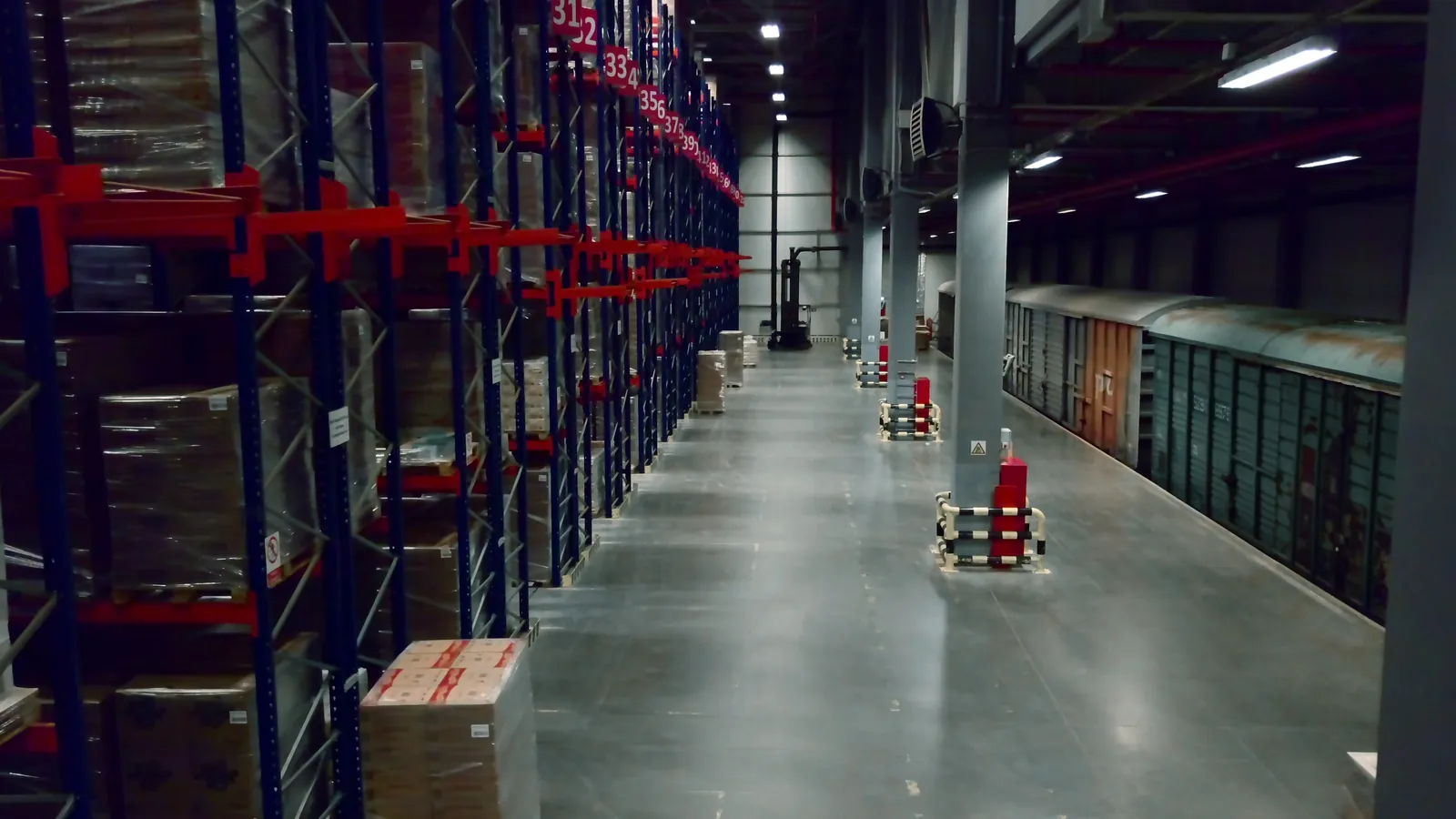
Why the spend grows and the losses don't stop
Layers get added after every incident. A guard post after a break-in, cameras after a claim, a second post after a short shipment. Nobody takes the dead layers out, so the bill climbs while thieves find the gaps between them.
The fix is not more spend. It is knowing which layers work. Start with a guard force optimization audit.
The 3PL security assessment: people, process and technology
I benchmark every site to the TAPA standards: the Facility Security Requirements (FSR) at the building and the Trucking Security Requirements (TSR) in transit. Then every layer gets one of three calls.
You get what each site costs now, what changes, and when it pays back. The savings fund the layers you are missing. Running many sites? A security master plan puts every one of them on one roadmap.
3PL security solutions the savings can buy
One point of contact, me, start to finish. Your team stays on its day job.
Proof
At SAIA, technology in place of guard posts held the guard budget at its 2012 level as the network grew. The savings paid for more layers.
At CEVA Logistics I ran a $70M program with more than 50 builds, each on time and on budget. At Crane Worldwide I secured 20,000 high-value shipments a month. Running many sites? See GSOC consulting. Moving high-value loads? See cargo theft prevention.
Compliance
CTPAT for 3PLs: what the audit asks, and what covers it
CTPAT is the U.S. Customs and Border Protection partnership program, and a third-party logistics provider that moves cross-border freight is expected to be in it. The validation is not a camera count. It is a walk through written procedures against what actually happens at the dock. The same program that stops the loss is the program that passes the validation.
- Physical security and access control. Fenced yard, controlled gates, cameras on every dock door, badge access to the high-value cage. Our integration build covers it under one scope.
- Conveyance and container inspection. Seal checks and trailer inspections logged on every inbound and outbound. The Lane Stack program writes the procedure and the agents keep the log.
- Business partner and personnel screening. Carrier vetting at tender, driver identity at the gate, background checks on the people with cage access. The vetting agent runs the carrier side every day.
- Procedures and evidence. The written program, the training record and the audit answers, kept current. That is included with every product line, as the Security 360 page explains.
Cross-border freight also lives alongside TAPA facility and trucking standards. One assessment maps both; one program answers both.
Common questions
3PL security FAQs
What do logistics security solutions include?
People, process and technology on one plan. Access control, cameras and gates at the dock, in-transit tracking with embedded GPS and live monitoring on the road, and a sworn officer where a post still needs a person. We price it site by site before anything is bought.
Do 3PL sites need armed security?
Some do, depending on the risk. Where a site needs an armed presence, a sworn officer is the better pick than a guard with a gun. A common setup is guards on the floor with one sworn officer over the whole facility around the clock.
Is C-TPAT required for a 3PL?
If your freight crosses borders, yes. Every recommendation I make respects C-TPAT alongside the TAPA standards.
How fast can a new yard be covered?
A mobile surveillance unit can be in place in 48 hours, and the price is on the page before you call.
Where do we start?
One site. Bring the one that costs you the most to the Strategy Call. You leave with what it costs now, what changes, and when it pays back.
What does CTPAT ask a 3PL to show?
Written procedures and evidence under CBP's Minimum Security Criteria: physical security and access control, conveyance and container inspection, personnel and business partner screening, cybersecurity, and training. The validation visit checks that what is written is what happens at the dock.
Does CTPAT replace a security assessment?
No. CTPAT sets the floor. The assessment finds where the floor leaks, what it costs you today, and which layers the savings buy.
Can a 3PL pass CTPAT with cameras and access control alone?
No. Physical security is one criterion of several. The written procedures, the carrier and driver vetting, and the training record carry as much weight, and those are the parts most 3PLs are missing when they call.