

Scope of service
Full-scope security systems integration, delivered through one point of contact
What goes in
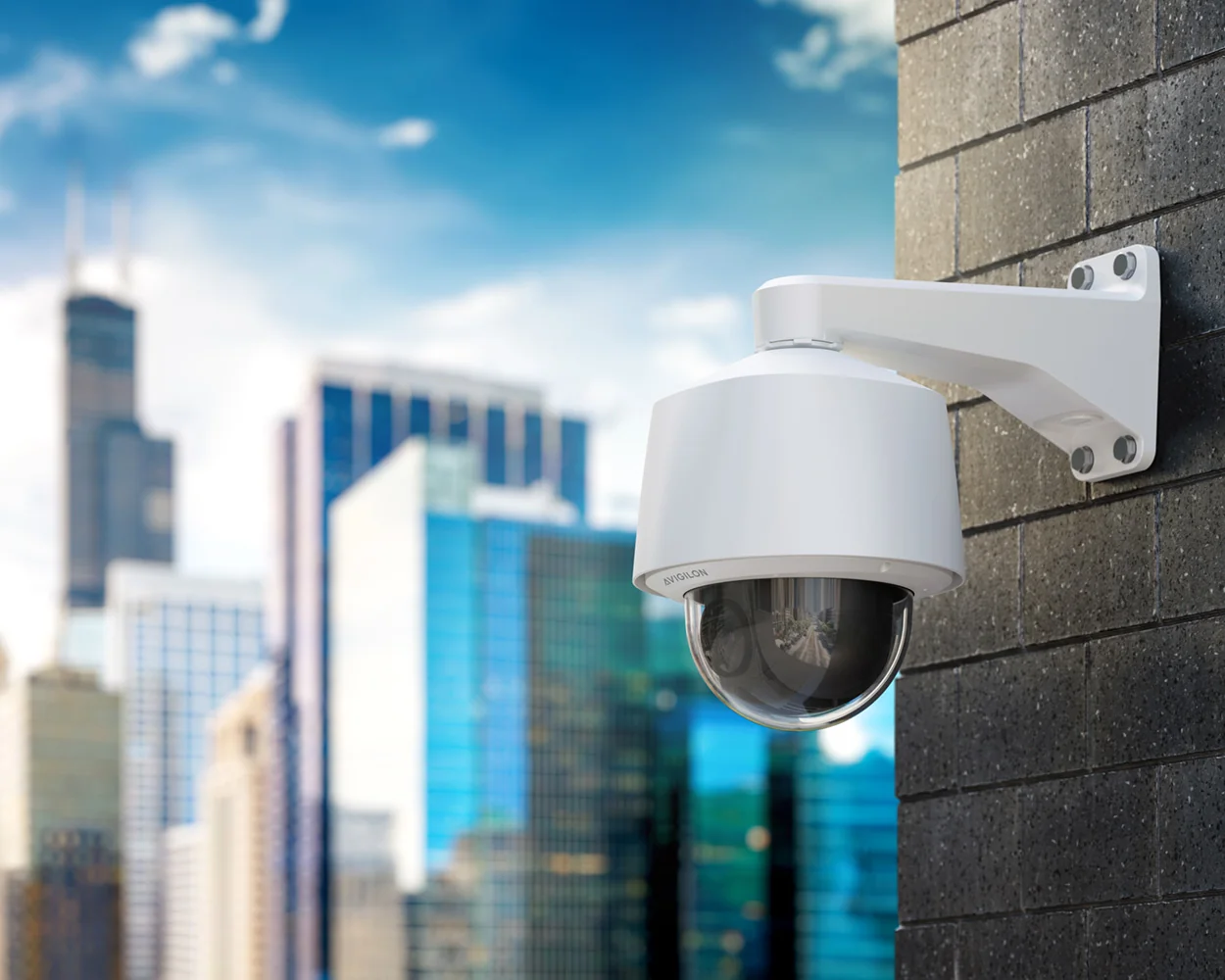
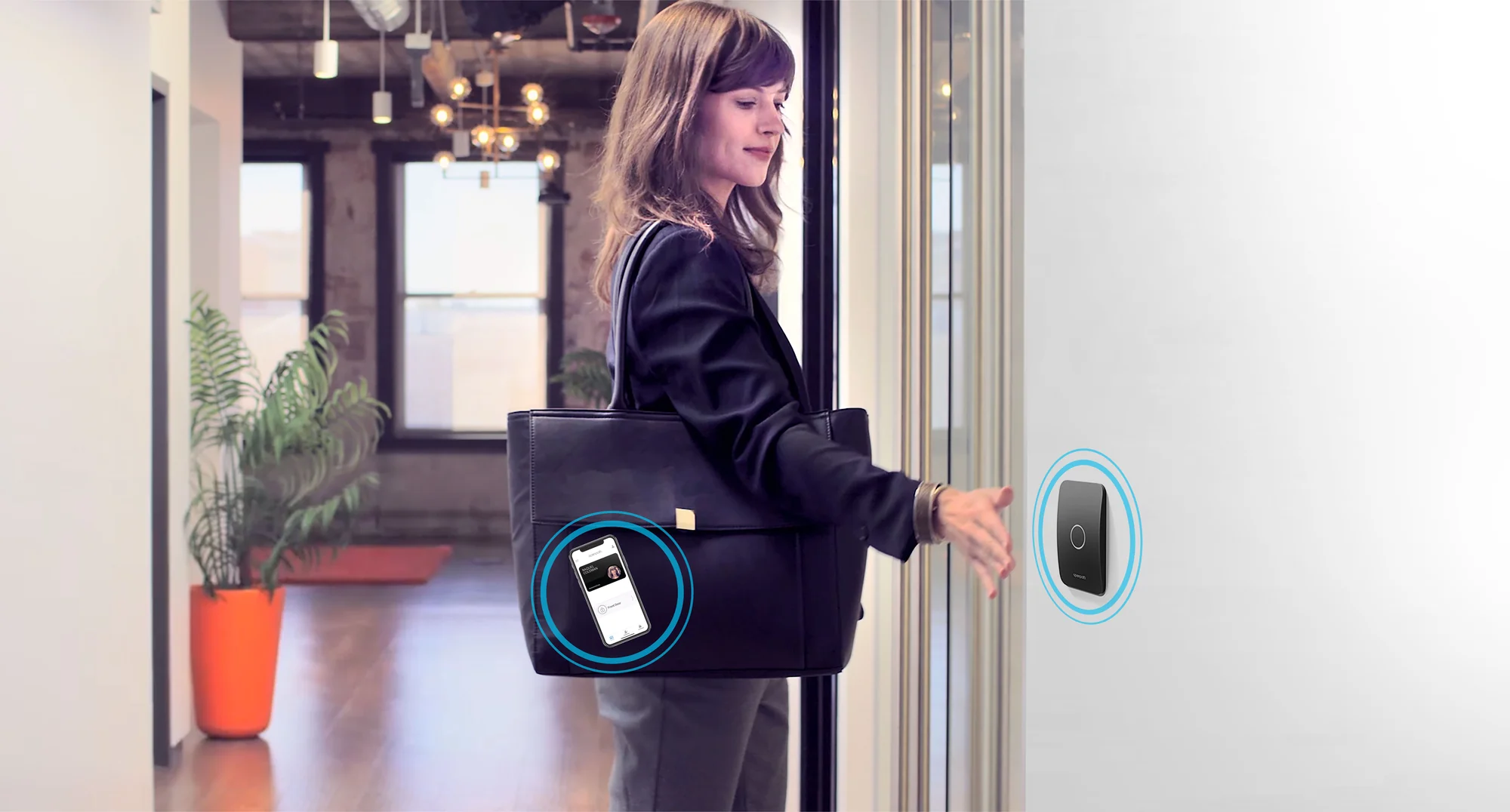
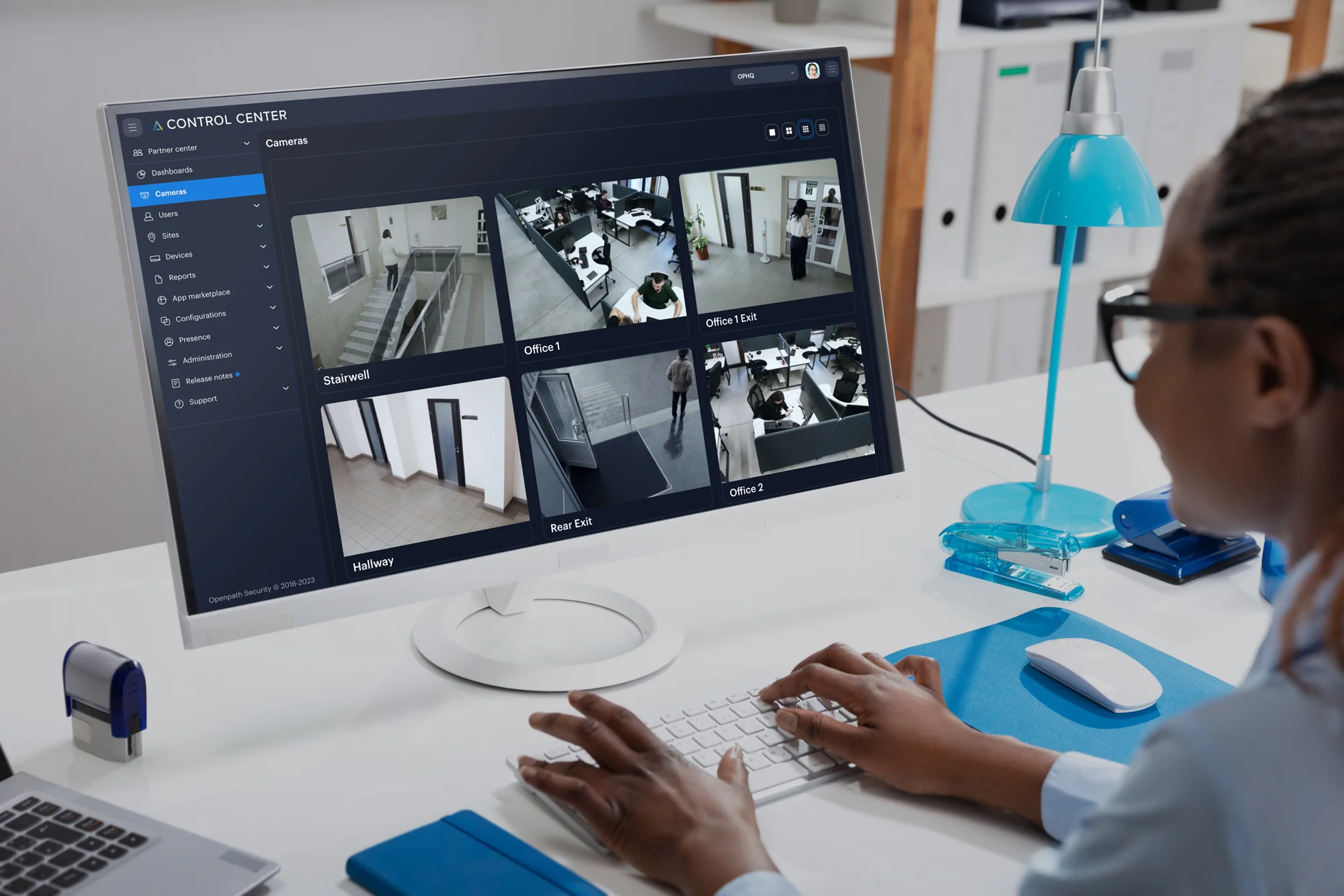
The layers that replace the post

The money
What the security guard budget buys, and what replaces it
Flat
Guard spend, 2012 to 2021, at SAIA, across every location, 171 terminals. Redeployed into gates, access control, cameras and monitoring. The model has run since 2012.
12 to 18 months
Typical payback on a project that replaces a 24-hour guard post. The system runs seven to ten years. Method: how to reduce security guard costs and guard force optimization. Running many sites? See GSOC consulting. Running a 3PL? See 3PL security solutions. Moving high-value loads? See cargo theft prevention. Planning every site at once? See security master plan. Run a guard company? See Security 2.0. Site ends in months, not years? See mobile surveillance trailer rental in Houston.
Show me the math on my siteThe build
Self-performed, one master agreement
Our preferred integration partners are security general contractors. Their own technicians, cross-trained on servers, fiber, gates, doors, access control and video, do the electrical, concrete, fencing and locksmithing too. Pricing is fixed at set percentages off list; the standard is written once and every new site repeats the last.
Regional service clusters, so an urgent fix does not wait on a truck from another state.
The platforms
Built on the platform you already run
Manufacturer relationships give priority on parts. Servers built in house on Dell components.
Equipment only
Hardware without the project
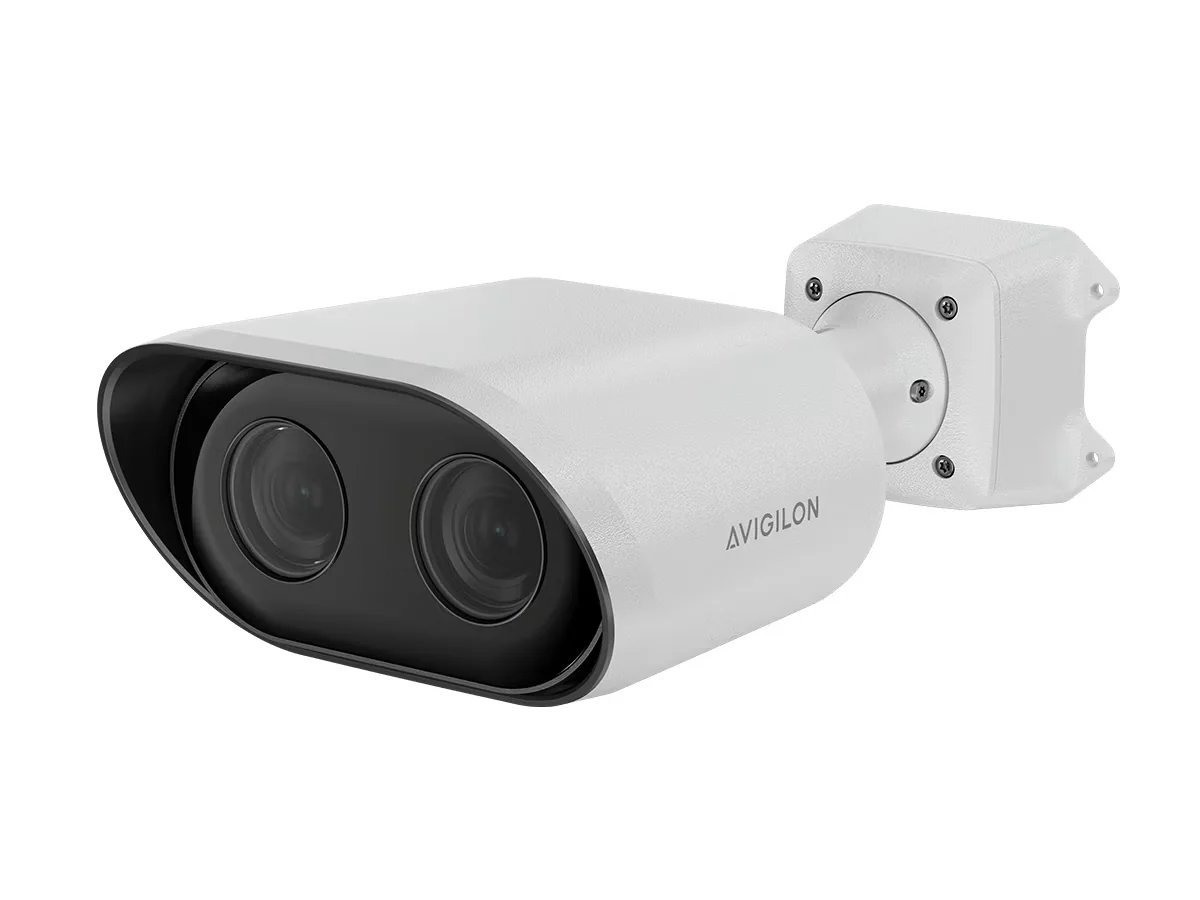 License plate camera
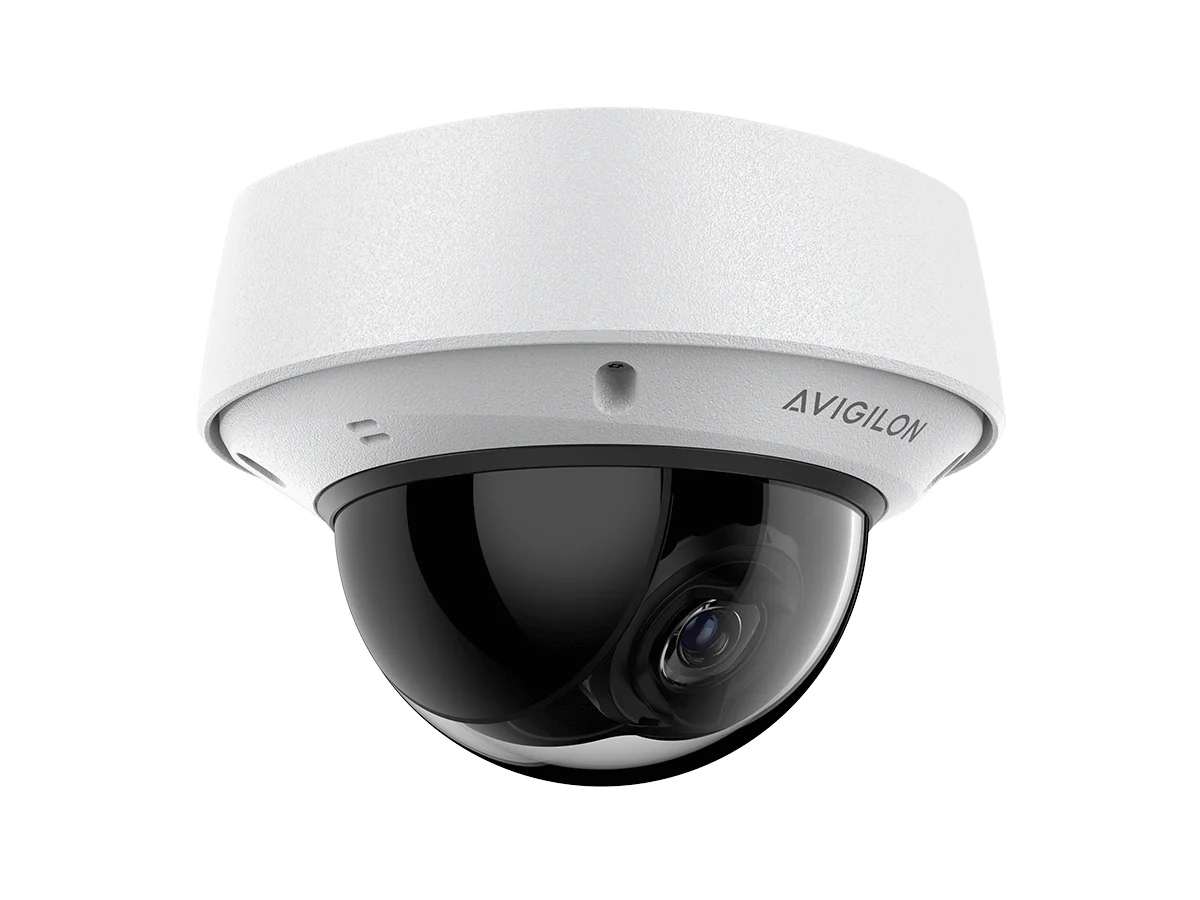 Dome camera
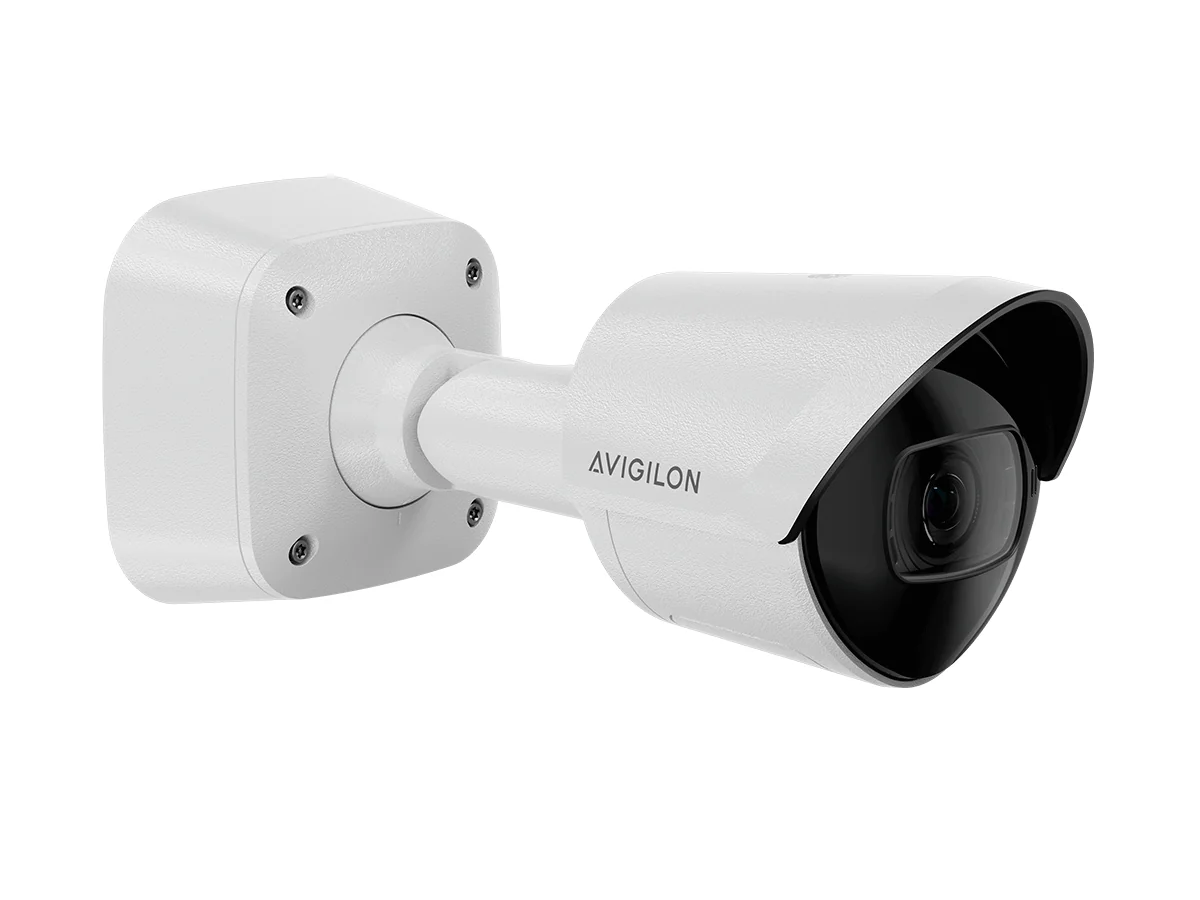 Bullet camera
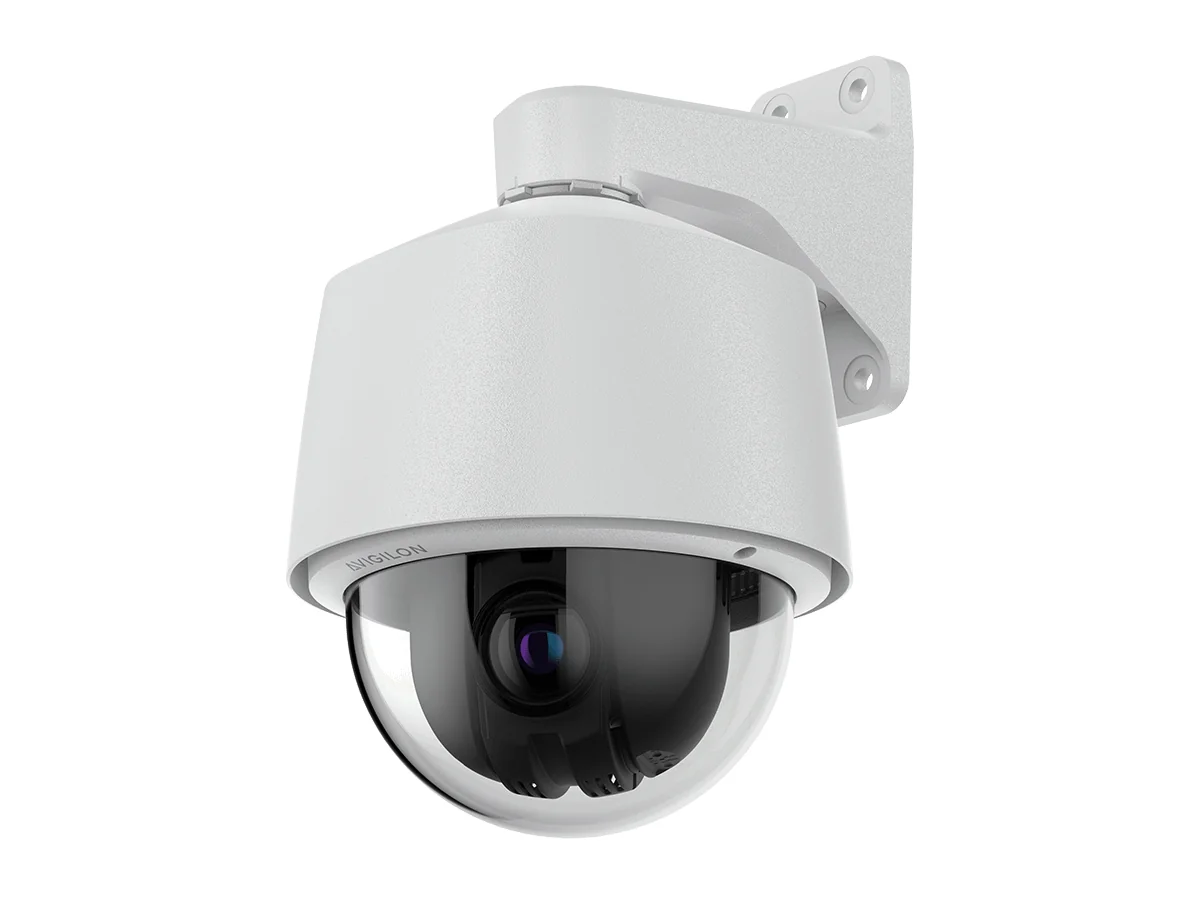 PTZ camera
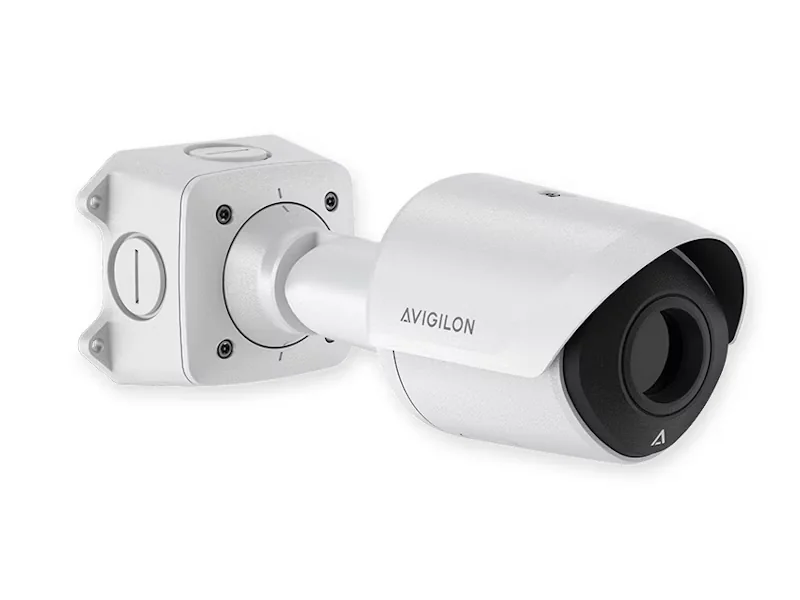 Thermal camera
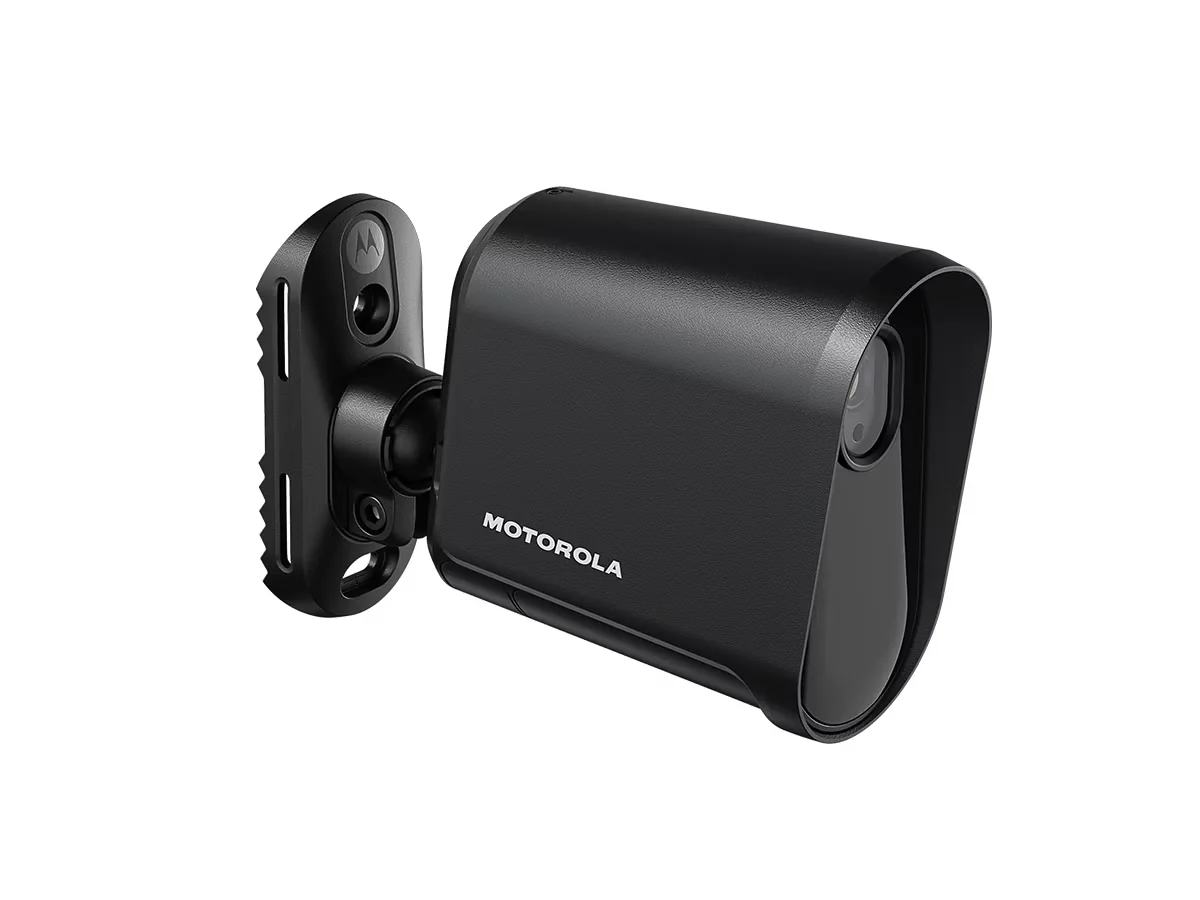 Solar and cellular camera
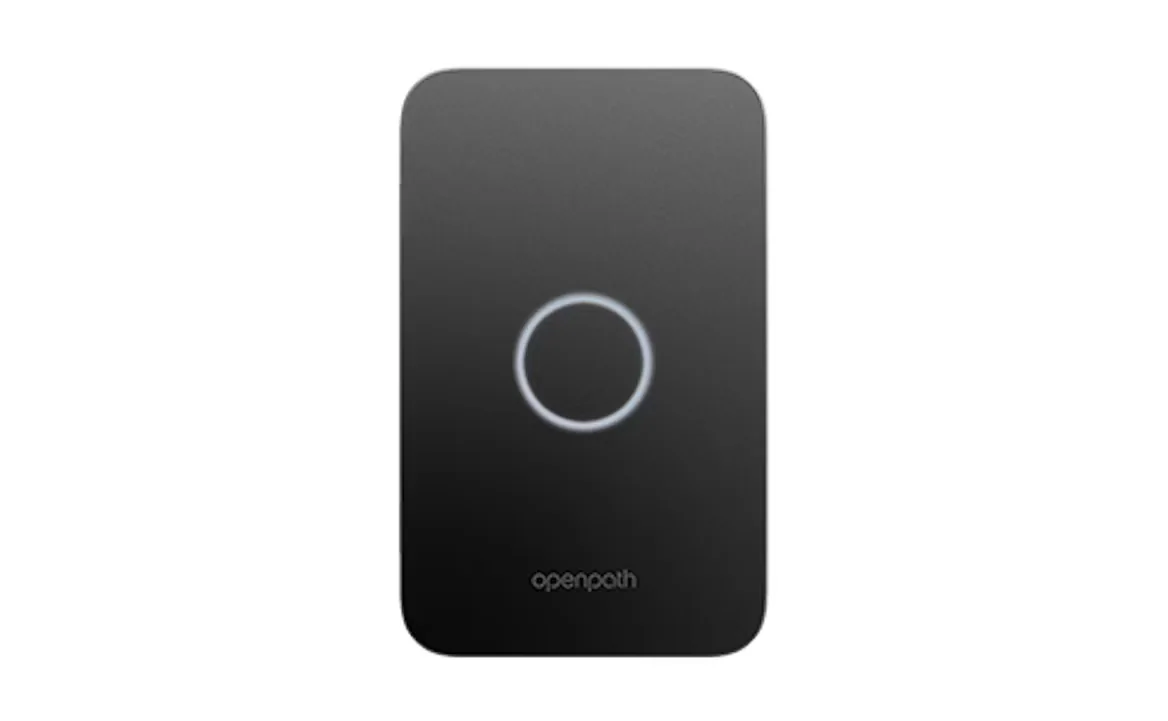 Smart reader
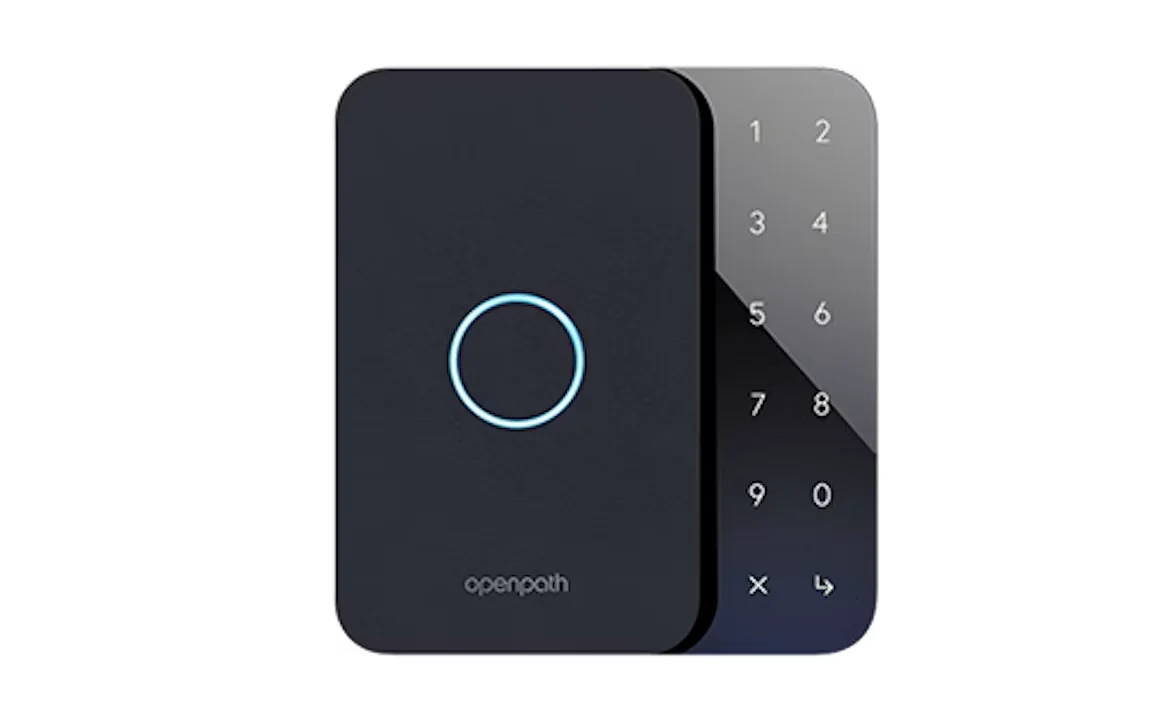 Keypad reader
 Door controller
Who this is for
Organizations with 50 to 1,000 sites
The same system, standard and reporting at every location, visible from one place. Trucking terminals, logistics yards, auction lots, plants, distribution centers, data centers and campuses. One site with a local problem: I will point you to someone good.
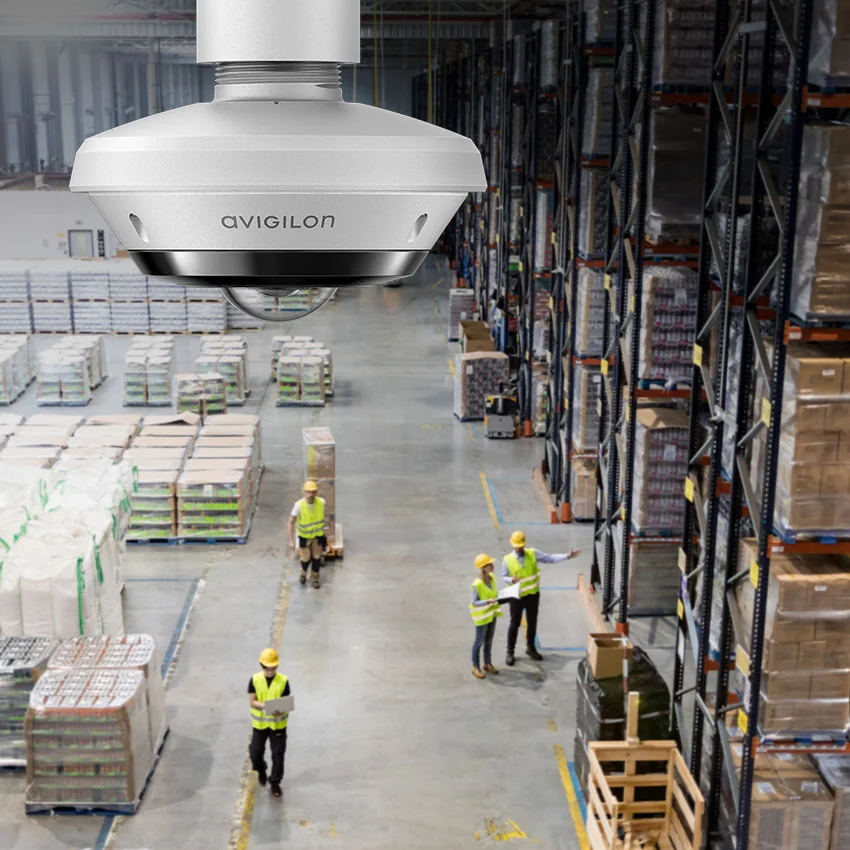

About the integration partners. Enterprise integrators who have worked with me for more than ten years and self-perform their own work. More than one, so a build never waits on one partner's calendar. You manage one relationship: me. The project figures are theirs; the SAIA result is mine.
Coverage
Houston, and all 50 states
Office at 5611 Hoover Street, Houston. Harris County and the surrounding metro, including Katy, Sugar Land, The Woodlands, Pearland, Cypress and Spring. Enterprise sites in all 50 states, one scope, one number, one point of contact.
Who you are talking to
The record
More than fourteen years wearing a badge. Thirteen more holding the budget.
Common questions
What security leaders ask first
How does security integration reduce guard costs?
Gates, access control, thermal cameras, lighting and monitoring cover a perimeter around the clock without a person on it. Payback is typically 12 to 18 months.
Is the installation subcontracted?
No. Our preferred integration partners install with their own teams under their own project managers. I stay on the account throughout.
Can I start with one site?
Yes. Bring the site that costs you the most. You get a written recommendation with the payback math.
What does a security systems integrator do?
A security systems integrator designs, installs and services access control, cameras, gates, lighting and monitoring so they work as one system. With MTC Group you get one scope, one number and one point of contact, and our preferred integration partners do the build with their own crews.
Do you work as a security integrator in Houston?
Yes. Our office is at 5611 Hoover Street in Houston, and the integration crews work in all 50 states, with one standard build and one point of contact.
Included with this product
We give security leaders half their day back.
The program, the AI agents and the funding case come with every MTC Group product line. Part of what you spend goes back to the councils and task forces that fight cargo theft, and to the officers, coordinators and referral partners who do the work.
Start here
Bring me one site
The site that costs you the most. You get what the post costs now, what replaces it, and when it pays back.
Know someone paying too much for guards? Refer them and you get paid for the life of the account. No cap.
(346) 681-2555
info@mtcsecuritygroup.com
If booking or chat is down: jen@mtcsecuritygroup.com
5611 Hoover Street, Houston, TX 77092
mtcsecuritygroup.com
MTC Group is a non-asset-based physical security business partner. Buyer side first. Officers through illuno. Equipment by Vision Detection Systems. Builds through our preferred integration partners.