

Let's talk about something that keeps supply chain managers up at night: cargo theft. It's not just annoying: it's expensive. We're talking about $15-30 billion in losses annually in the U.S. alone. And that doesn't even count the ripple effects: insurance premiums skyrocketing, customer trust tanking, and your reputation taking a hit.
Here's the thing most companies get wrong: they wait until after they've been hit to beef up security. That's like buying insurance after your house burns down.
At MTC Group, we've helped clients slash cargo theft incidents through significant reductions using a layered approach that actually works. No security theater. No overpriced guards standing around looking bored. Just smart, proactive cargo theft prevention that pays for itself.
So let's dive into five practical hacks that'll turn your supply chain from a sitting duck into a fortress: without blowing your budget.
Hack #1: Lock Down Your Assets (Literally)
First things first: if it's easy to steal, it will get stolen. That's just human nature.
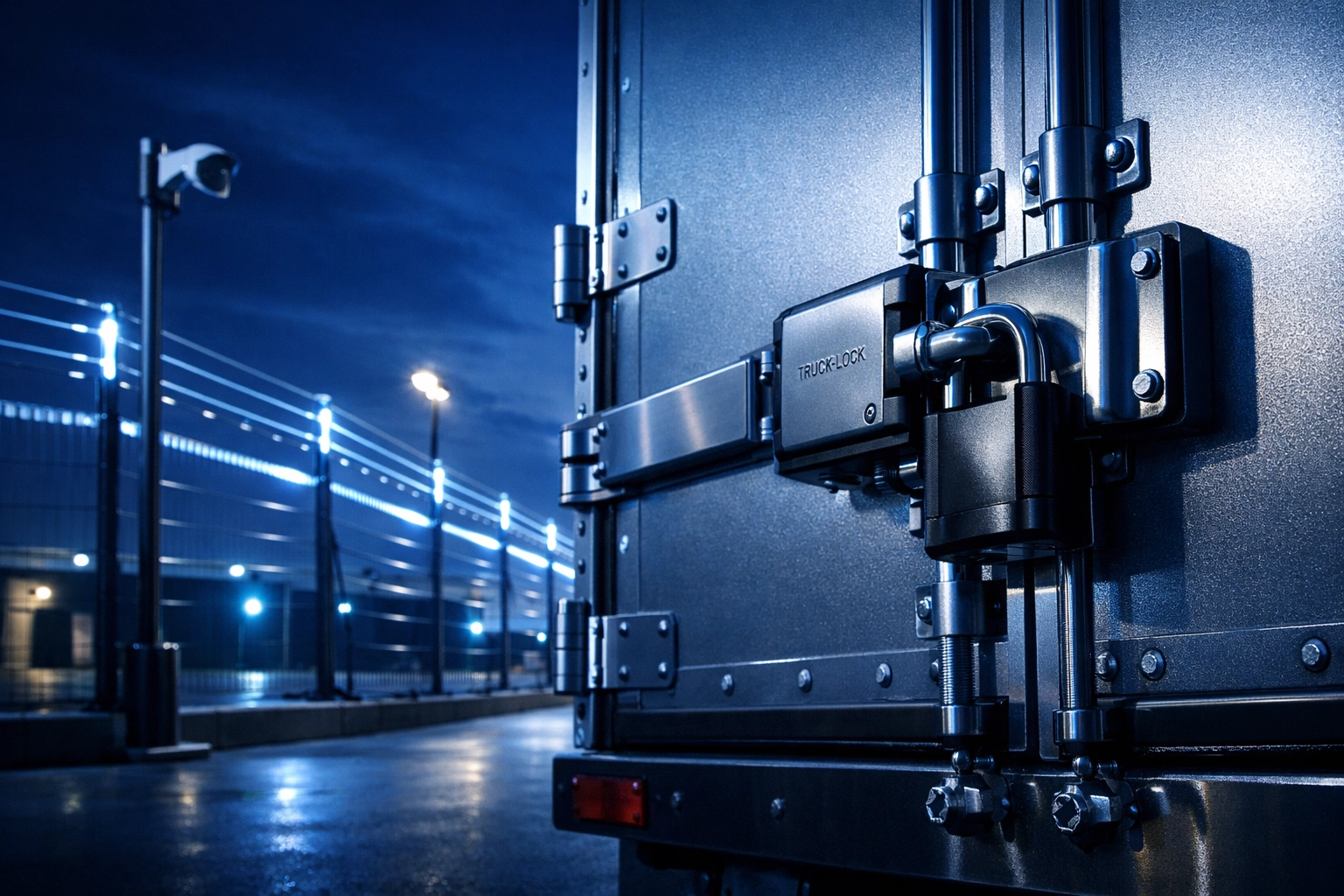
Start with high-security physical barriers that make thieves think twice:
- Air cuff locks and landing gear locks on trailers
- High-security rear door locks that can't be pried open with a crowbar
- Electric perimeter fencing around warehouses and yards
- Properly lit parking areas that eliminate dark corners
The beauty of this approach? It's preventative. Criminals case targets before they strike, and when they see your setup is hardened, they usually move on to easier prey. At MTC Group, we conduct physical security assessments to identify the weak points in your infrastructure: the gaps criminals love to exploit.
Think of it like this: a bike lock doesn't make your bike un-stealable, but it makes the thief work harder. And most thieves? They're lazy. They want quick, easy scores.
One of our clients: a distribution center handling electronics: added smart locks and perimeter barriers after losing three full trailers in six months. Guess how many incidents they've had since? Zero. That's an ROI you can actually measure.
Hack #2: Get Eyes on Everything (Even When You're Not There)
Here's where technology becomes your best friend. Real-time tracking isn't just a nice-to-have anymore: it's essential for modern supply chain security.
Deploy these tools across your fleet:
- GPS trackers on every high-value shipment
- Telematics systems that monitor vehicle behavior
- Electronic seals with tamper alerts
- Dash cameras and yard management systems for loading docks

The game-changer here is AI-driven monitoring. At MTC Group, we use smart systems that don't just track location: they learn normal patterns and flag anomalies. If a truck deviates from its route at 2 AM, you get an instant alert. If someone's tampering with a trailer in your yard, you know within seconds.
One logistics company we work with had a persistent problem: drivers making unauthorized stops to "grab lunch" that somehow coincided with cargo going missing. After implementing GPS tracking with geofencing, those mysterious stops ended overnight. Funny how that works.
The key isn't just having the technology: it's using it intelligently. That's where the "AI-driven" part comes in. Instead of drowning in data, you get actionable alerts that actually matter.
Hack #3: Stop Being Predictable
Criminals are pattern-hunters. They study routes, timing, and behaviors. Then they strike when you're most vulnerable.
Break the pattern with strategic planning:
- Vary your routes regularly: don't take the same highway every time
- Use geofencing technology to create digital perimeters and alert zones
- Avoid overnight stops in high-crime areas (seems obvious, but you'd be surprised)
- Choose secure parking facilities with on-site security and surveillance
- Randomize delivery schedules when possible
The most common time for cargo theft? Within 200 miles of the origin point, usually within the first few hours. Thieves know drivers follow predictable patterns: grab coffee at the same spot, park at the same rest stop.

We worked with a pharmaceutical distributor who was getting hit regularly on a specific route between two facilities. After a physical security assessment, we identified three high-risk parking areas they used consistently. We rerouted shipments, varied timing, and added secure parking requirements. Incidents dropped by 90% in the first quarter.
Predictability is the enemy of security. Mix it up.
Hack #4: Trust, But Verify (Especially Your People)
Here's an uncomfortable truth: insider theft accounts for a huge chunk of cargo loss. Employees with access, knowledge of high-value shipments, and opportunity.
Lock down the human factor with:
- Thorough background checks for all drivers and warehouse staff
- Regular security training on recognizing suspicious behavior
- Access control systems that log who enters what areas and when
- Driver walk-around inspections after every stop
- Third-party vetting for new carriers and contractors
At MTC Group, we integrate access control systems that work seamlessly with your existing operations. It's not about treating employees like criminals: it's about creating accountability. When people know there's oversight, behavior changes.
One client discovered through access logs that a warehouse supervisor was letting unauthorized people into secure areas after hours. Video footage confirmed theft. The system didn't prevent the crime, but it caught it fast and provided evidence for prosecution. That supervisor is now a former employee.
The goal isn't paranoia: it's verification. Trust your team, but have systems in place that make dishonesty difficult and easy to detect.
Hack #5: Never Stop Watching
The last hack is simple but often overlooked: continuous monitoring and supervision.
Cargo theft happens in the gaps: when nobody's watching, when trailers sit unattended, when drivers take breaks. Close those gaps with:
- 24/7 monitoring of high-value shipments
- Regular security audits of facilities and procedures
- Supervised loading and unloading operations
- Seal inspections at every transition point
- Incident response protocols that kick in immediately

This is where MTC Group's layered approach really shines. We don't just install cameras and call it a day. We create integrated systems where physical barriers, technology, and human oversight work together.
For example, our AI-driven monitoring systems can detect when a trailer door opens unexpectedly and immediately alert security personnel. Physical barriers slow down the theft. GPS tracking tells you exactly where the breach happened. And your response team knows what to do.
One manufacturing client had chronic issues with theft during overnight shifts at their distribution center. We implemented continuous monitoring with AI-powered video analytics. The system detected unusual movement patterns around trailers, security investigated, and they caught employees working with external thieves. That one intervention saved them an estimated $2 million annually.
The Bottom Line: Layered Security Wins
Here's what you need to remember about cargo theft prevention: no single solution works. Not locks. Not cameras. Not GPS. Not guards.
What works is a layered security approach where multiple systems back each other up. When one layer fails (and it will), the others catch it.
At MTC Group, we've proven this approach delivers significant reductions in cargo theft incidents because it addresses the problem from every angle:
- Physical barriers make theft harder
- Technology provides visibility and alerts
- Smart planning removes predictable vulnerabilities
- Employee verification reduces insider risk
- Continuous monitoring catches what slips through
The ROI is straightforward: the average cargo theft costs $100,000-$200,000 per incident. If you're experiencing even 2-3 incidents per year, you're bleeding $300,000+. Our clients typically see payback within 6-12 months: then it's pure savings.
Ready to stop wasting money on cargo theft? Start with a physical security assessment to identify your vulnerabilities. Then build a layered defense that actually works.
Because in supply chain security, the best theft is the one that never happens.