
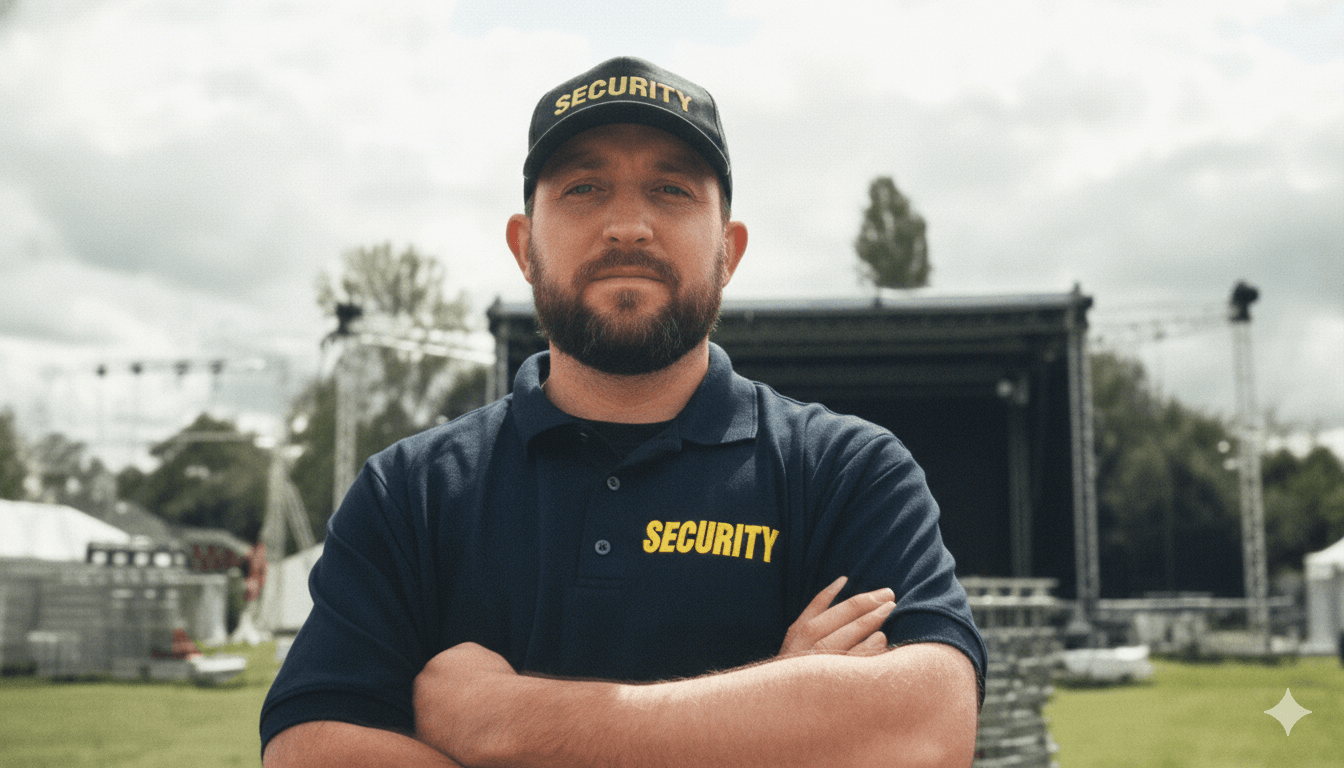
A guard force audit is a systematic, evidence-based review of a security guard program that evaluates post orders, schedules, supervision, incident reporting, contract billing, and operational governance. The objective is to determine whether the guard program delivers the intended security outcomes, identify cost inefficiencies, and recommend changes that improve performance or reduce spend without increasing risk.
Organizations use a guard force audit to validate service delivery, optimize staffing, identify opportunities for technology substitution, and create a transparent basis for contract renegotiation or redesign. The audit converts subjective complaints about guards into measurable findings with remediation steps and a clear implementation plan.
What a Guard Force Audit Evaluates
A guard force audit is not just a cost-savings exercise; it should trigger broader operational changes when warranted.
Post orders: Are post orders current, specific, and enforced? Do they reflect real threats and tasks?
Coverage model: Are hours and posts aligned to risk and peak-activity periods? Is there over-coverage or unguarded exposure?
Guard performance and supervision: Are supervisors conducting spot checks, coaching, and performance reviews? Are guards completing required tasks?
SLA / KPI compliance: Are contractual service levels and key performance indicators being met?
Incident reporting discipline: Are incidents logged properly, escalated correctly, and retained for audits and investigations?
Billing accuracy and overtime controls: Are invoices accurate? Is overtime justified and properly controlled?
Technology substitution opportunities: Where can cameras, analytics, or access control reduce guard hours while maintaining coverage?
A thorough audit triangulates records, interviews, and direct observation to produce defensible conclusions.
Common Findings from Guard Force Audits
Audits frequently reveal repeatable problems that create cost and risk:
Guards performing non-security tasks (janitorial, concierge) that dilute security effectiveness.
Over-coverage during low-risk hours where staffing could be reduced or rescheduled.
Weak incident reporting and escalation, making it impossible to verify whether incidents were handled.
Invoice inaccuracies resulting from unauthorized overtime, relief charges, or unclear relief rules.
No performance management loop — findings are not tracked, so problems reoccur.
Identifying these patterns allows organizations to target high-impact corrections rather than applying blunt cuts that increase risk.
Typical Audit Process: A practical, repeatable audit follows a defined sequence.
Document collection: Gather contracts, post orders, rosters, invoices, incident logs, and SLA/KPI definitions.
Site interviews and spot checks: Interview security leadership, supervisors, and a sample of guards; perform covert and overt spot checks.
Coverage and cost analysis: Map hours against risk windows, analyze overtime drivers, and calculate potential savings.
Findings and recommendations: Produce prioritized remediation items with estimated savings, risks, and quick wins.
Implementation plan and KPI tracking: Provide an actionable rollout plan with measurement criteria and governance requirements.
The output must be auditable and practical to implement, otherwise the audit becomes an academic exercise.
Outputs and Deliverables
A guard force audit should deliver both strategic and tactical artifacts:
Coverage map and recommendations showing where to reallocate or reduce hours.
Contract audit findings that document billing errors and contractual non-compliance.
KPI dashboard outline for ongoing performance monitoring.
Savings opportunities and payback estimates with timelines for realization.
Post-order and training remediation packages to fix operational gaps.
Deliverables should be clear enough to hand to procurement, operations, or legal for follow-through.
How Fast Can You Realize Savings?
Savings timelines vary but practical patterns appear:
Immediate (30–90 days): Correct invoice errors, enforce overtime policies, and tighten relief rules.
Short-term (3–6 months): Adjust schedules to better match risk windows and pilot technology substitutions.
Medium-term (6–12 months): Reprocure contracts with revised scopes, implement analytics or remote monitoring, and roll out supervisory improvements.
Audits that include both short-term quick wins and a longer roadmap deliver results without sudden risk spikes.
When an Audit Should Lead to More Than Staff Cuts
A guard force audit is not just a cost-savings exercise. It should trigger broader operational changes when warranted:
Redesign of post orders to focus guards on security-critical tasks.
Improved supervisory routines and training to lift baseline performance.
Integration of technology and process changes (e.g., remote monitoring + alert verification) to reduce unnecessary patrols.
Contract restructuring with clearer SLAs, acceptance tests, and performance penalties/incentives.
Poorly executed cuts that ignore process, governance, and technology often increase risk and cost in the long run.
Related Templates and Tools
Internal templates such as a Guard Contract Audit Checklist and a Guard Spend Optimization Playbook are commonly used alongside audits to operationalize findings and track progress. Common problems include guards performing non-security tasks, over-coverage, weak reporting, and billing inaccuracies.
Key Takeaways
A guard force audit converts anecdote into evidence by reviewing post orders, coverage, supervision, incident discipline, and billing accuracy
Common problems include guards performing non-security tasks, over-coverage, weak reporting, and invoice inefficiencies
The audit process blends document review, interviews, spot checks, and cost analysis to produce prioritized, implementable recommendations
Savings can be immediate (billing fixes) and medium-term (schedule redesign, technology pilots); poorly planned cuts can increase risk
Successful audits include an implementation plan, KPI tracking, and governance to prevent regression
Plan a Guard Force Audit
If you need an independent review to reduce guard spend, fix performance, or redesign your coverage model, professional audits provide the facts and a practical remediation path. MTC Group can perform guard force audits, supply the remediation playbook, and help implement changes so savings are realized without increasing operational risk.
